Car valuation for sale: how to set the right price

When deciding to sell a car, one of the first questions is also the most important: how much is it really worth? The purchase price and its sentimental value can influence expectations, but a useful evaluation must begin with the vehicle's features and a comparison with the market.
Setting a realistic price helps you attract interested buyers and approach negotiations with greater confidence. Here's what to consider and how to avoid the most common mistakes.
What determines the value of a used car?
Make, model, and year of registration are a starting point, but they're not enough to establish a reliable valuation. Two seemingly identical cars can have different values based on mileage, condition, and maintenance history.
The main factors to consider are:
- Mileage: This should be considered in conjunction with the car's age, usage pattern, and maintenance schedule.
- General condition: bodywork, interior, tires, and mechanical components all impact the amount a buyer is willing to spend.
- Version and trim: engine, gearbox and features can make the vehicle more or less popular.
- Documented maintenance: Invoices and service receipts help reconstruct the car's history and reduce uncertainties.
- Previous damage and repairs: their extent and the quality of the interventions can influence the valuation.
Demand for that type of vehicle also matters: a sought-after model may be easier to sell than one with a narrow audience.
How to compare ads without getting scammed
Browsing similar car listings is a good way to identify a price range. For a meaningful comparison, however, you need to select truly comparable vehicles: same model generation, similar engine, year, mileage, and trim levels.
It's important to distinguish between private listings and dealership listings. The price quoted by a professional may include vehicle preparation, services, and warranties, making comparisons less straightforward.
Above all, the advertised price is an asking price, not proof of a sale concluded at that price . A particularly expensive listing doesn't prove your car is worth the same. It's best to examine multiple offers and find a consistent range, avoiding relying solely on the extremes.
How useful are online assessments?
Online valuation tools offer a first orientation. By entering the required information, you can obtain an estimate to compare with the listings and any purchase offers.
However, the result must be interpreted: an automatic appraisal may not fully capture the vehicle's true condition, any necessary work, or any special features. Furthermore, a private price estimate and an immediate purchase offer from a dealer meet different needs.
For a car with special features, significant damage, or a complex history, a direct inspection by a professional may be helpful.
Prepare the car before setting the price
Before posting your ad, it's a good idea to gather maintenance documents and check the vehicle's condition. Thorough cleaning, clear photographs, and a complete description will help present it accurately.
Any work should be evaluated on a case-by-case basis. Not every repair will allow for the full cost to be recouped through a higher selling price. For more expensive repairs, a quote can help you decide whether to proceed or factor it into your request.
Known defects must be described transparently: they allow the buyer to evaluate the offer and reduce the risk of disputes during the negotiation.
Asking price and room for negotiation
Once you've identified a realistic price range, it's helpful to set two figures: the price to list in the listing and the minimum amount you're willing to accept. You can allow for some negotiation, as long as your initial asking price remains credible.
The time available also matters. Those who want to sell quickly can choose a more competitive price; those who are not in a hurry can monitor market response and adjust their request if qualified leads are few.
Evaluating a car properly means finding a balance between features, condition, and buyer expectations. A request supported by relevant comparisons and clear documentation makes it easier to explain the price and negotiate with knowledge.
You may also like

Used car valuation: how to estimate the price and sell it for the best price
From gathering documents to negotiating, a guide to realistically evaluating a used car and choosing how to sell it, avoiding the most common mistakes.
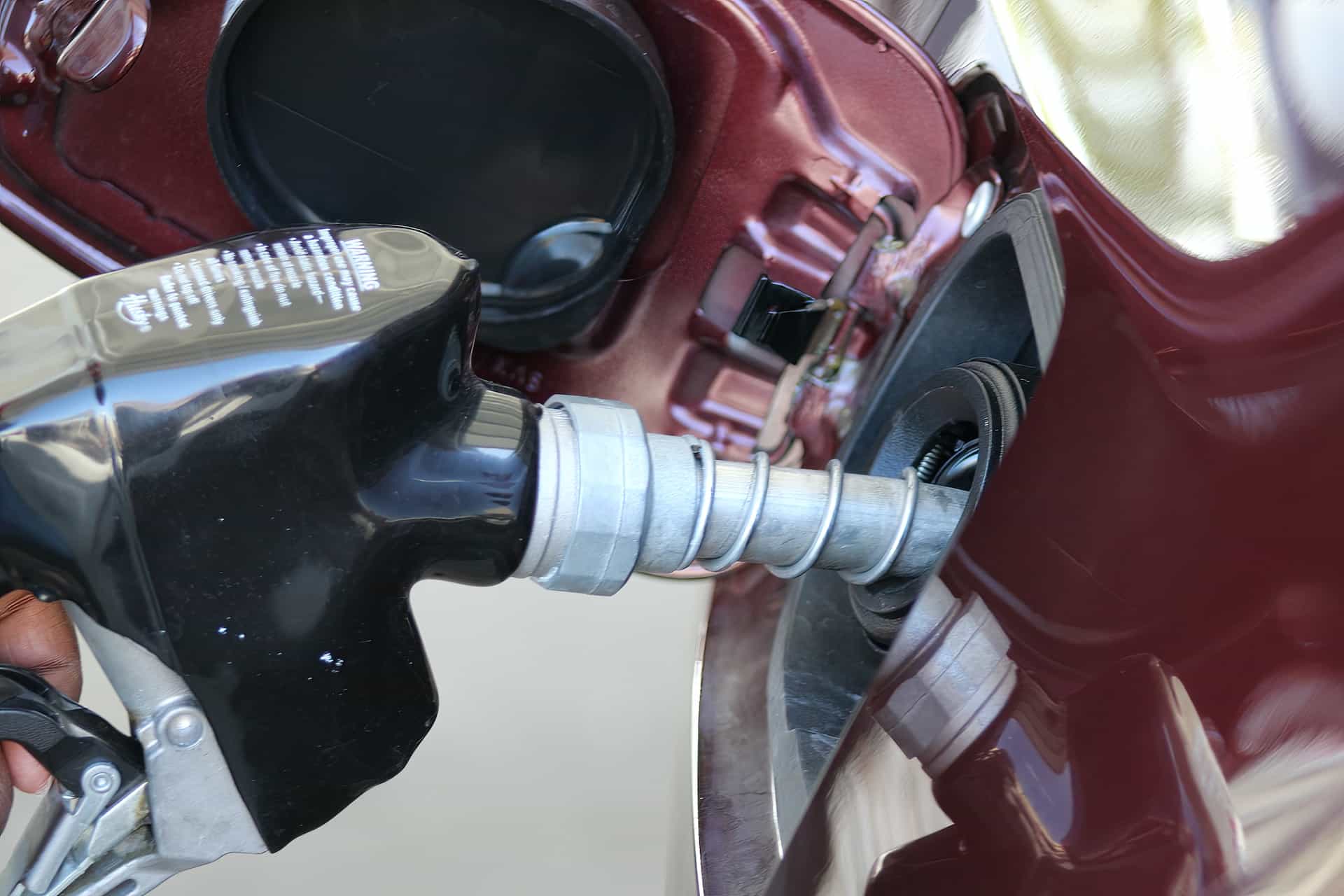
Fuel cards: a convenient and efficient way to manage fuel costs
Fuel cards have become a popular solution for businesses and professionals who manage a fleet of vehicles or have high fuel bills. These cards offer many advantages, allowing for more accurate control of costs, simplifying transaction management and providing detailed data on fuel consumption. In this article, we'll explore fuel cards and their benefits, discuss the different types of cards available on the market, and provide advice on how to choose the best option for your needs.
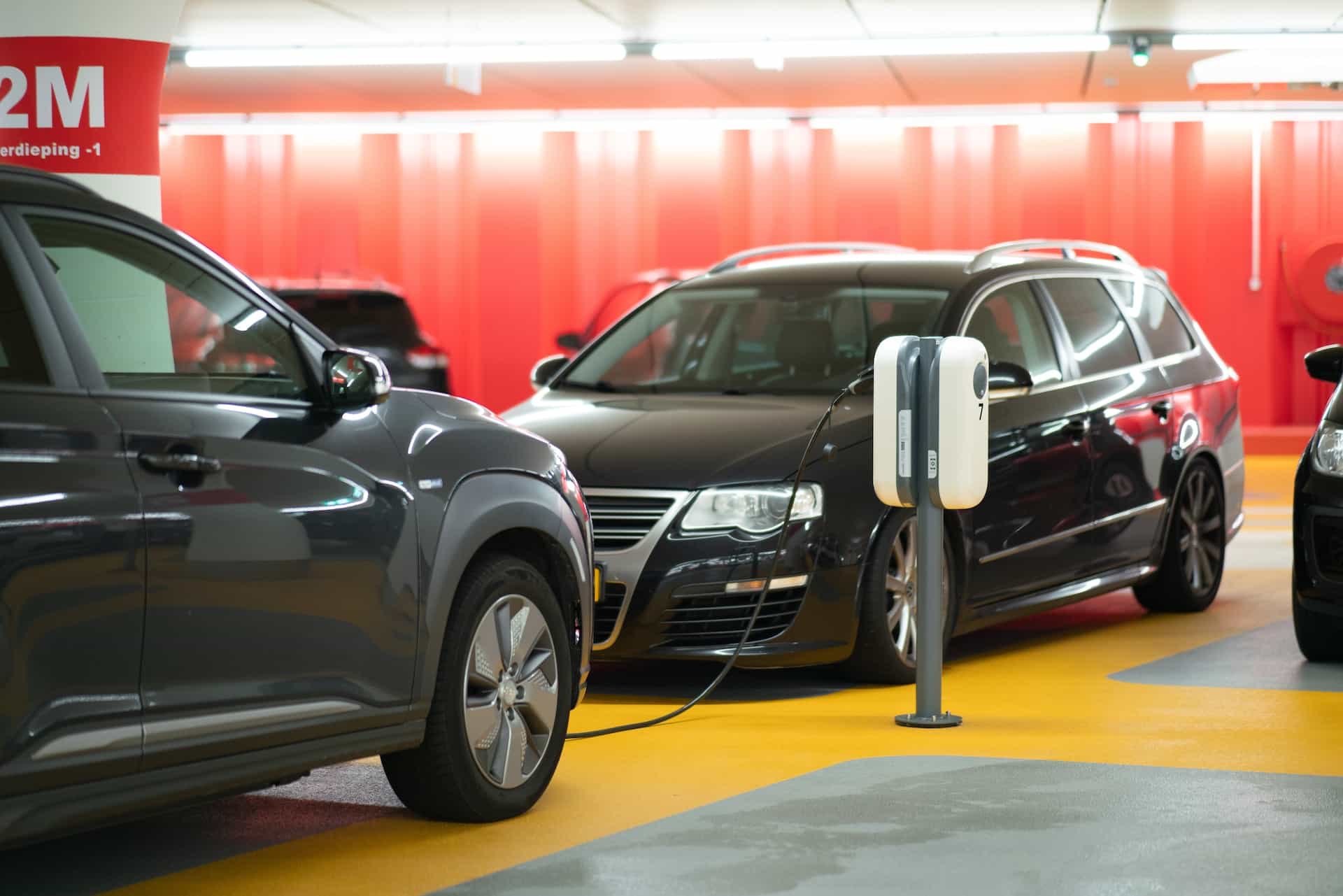
The future of the automobile: discovering hybrid cars
In recent years, the automotive industry has made major advances in the field of hybrid cars. This innovative technology represents a promising solution for reducing harmful emissions and improving vehicle efficiency. In this article, we'll explore how hybrid cars work, their benefits, and why they're becoming increasingly popular with environmentally conscious consumers.