Used car valuation: how to estimate the price and sell it for the best price

Selling a used car begins long before posting an ad, because the price setting affects the timing and success of the negotiation. A proper appraisal combines objective data and the vehicle's actual condition. Make, model, trim, year, and mileage are just the starting point. The condition of the bodywork, maintenance, tires, and the presence of popular options also play a role. A highly sought-after vehicle can retain its value better than a less sought-after model. However, popularity does not erase defects or guarantee an immediate sale. Sellers must therefore distinguish the theoretical value from the amount a buyer is willing to pay. Transparency, starting from the first contact, is often the best way to avoid subsequent misunderstandings.
The first practical step is to accurately identify the car, without relying solely on the brand name on the tailgate. Even with the same model, engine, year, and trim, the valuation can significantly change. Optional extras also make a difference, but not all of them fetch the market price they paid for new cars. A particular paint finish or driver assistance system can attract some buyers and leave others indifferent. It's helpful to check the vehicle registration document, chassis number, and purchase documents to reconstruct the exact configuration. Mileage should be read in conjunction with the vehicle's age and service history, not as a standalone figure. A car with high mileage but documented maintenance can be more reassuring than one with lower mileage and an uncertain history. At this stage, accuracy means avoiding both inflated estimates and surprises during the inspection.
Online quotes offer an initial reference and allow you to compare vehicles similar in features and location. However, they don't guarantee the final price, as they often can't directly assess wear and tear, damage, or the quality of workmanship. Platforms can also display different values based on their own criteria and the type of sale being considered. To ensure a meaningful comparison, it's best to select truly comparable listings, excluding different versions or vehicles in exceptional condition. Furthermore, the asking price in a listing doesn't necessarily match the car's selling price. This is a simple distinction, but one often overlooked by those who rely solely on the highest offers. A professional can provide an estimate after examining the vehicle, also taking into account preparation and resale costs. The best valuation therefore arises from a combination of digital tools, the local market, and a real-life inspection.
Mechanical condition impacts trust and, consequently, the ability to afford the asking price. Recorded service records, invoices, and regular maintenance help tell a verifiable story. A replaced timing belt, a recent battery, or a set of tires in good condition can all add up to a car's selling point. Conversely, warning lights and unusual noises can push buyers to ask for a discount or simply pass up the offer. Before selling, a garage inspection can be helpful, especially if there are concerns about major defects. This doesn't mean repairing every imperfection, but understanding what you're offering and communicating it correctly. Small maintenance interventions can be worthwhile, while expensive work isn't always recouped in the price. Prudence suggests weighing every expense against the potential buyer's interest.
The exterior and interior also contribute to the first impression, without transforming a used car into a new one. A thorough cleaning highlights the actual condition and makes any signs of wear more visible. It's a good idea to remove personal items, clean the windows, and photograph the car in a tidy, well-lit space. Scratches, dents, and stains shouldn't be hidden with sly framing or vague descriptions. A small, reported imperfection can be less suspicious than a flaw discovered during the inspection. Photographs should show the exterior, interior, dashboard, trunk, and relevant details, without filters that distort the colors. In the past, word of mouth and a sign on the rear window were key tools, while today, images are often the first contact between seller and buyer. The rule, however, remains the same: present the vehicle well without misrepresenting it.
Pricing requires a balance between the desire to get the most and market awareness. A price that's too high can reduce leads and make the listing seem out of line with alternatives. A price that's too low, however, can attract a lot of hasty inquiries and leave the seller feeling like they've given too much away. A slightly negotiable starting price can be set, as long as the range is reasonable and doesn't become an open-ended invitation to negotiate. The availability of similar models in the same geographic area can also influence the speed of a sale. Seasonality, food supply, and traffic restrictions can also influence interest, but their effects vary from city to city. A professional appraisal can be helpful when the model is rare or when the owner is having difficulty interpreting the available offers. In any case, the price should be revised if the listing remains unavailable for a long time.
An effective ad is precise, readable, and built around the information a buyer wants to verify. It should include the model, registration, mileage, fuel type, maintenance, and key features. It's best to clearly specify any accidents, known defects, or scheduled work, avoiding ambiguous terms. Expressions like "like new" can arouse suspicion if they aren't supported by truly exceptional conditions. Explaining why the car is being sold can help, but it's no substitute for verifiable information. A sober tone is often more convincing than emphatic promises and repetitive adjectives. A prompt response to inquiries also conveys seriousness and allows for better filtering of contacts. Before scheduling an appointment, it's wise to clarify what the buyer wants to inspect and what documents will be available.
Negotiation is a normal part of the sale process, not necessarily a sign of mistrust or dishonesty. The buyer can ask for a discount after inspecting the car, and the seller can justify the price by citing maintenance, condition, and features. It's a good idea to listen to objections and distinguish between valid ones and generic discount requests. If unresolved defects emerge, the seller can revise the price or suggest having a mechanic inspect them. It's best not to feel pressured to close immediately, especially if the offer arrives without time to review the details. For the test drive, it's wise to verify the driver's identity and accompany the potential buyer. Sensitive documents or keys shouldn't be handed over without clarifying the purpose of the meeting. A respectful discussion protects both parties and makes it easier to reach a sustainable agreement.
Selling a vehicle also requires careful attention to administrative aspects, which should be organized before handing over the vehicle. It's important to determine which documents are required for the transfer of ownership and follow the established procedures to properly register the transfer. The methods and costs may depend on the specific situation, so it's important to check with the relevant offices or services. The contract or sales declaration should accurately specify the parties, the vehicle, the price, and the delivery date. Keeping copies of the documentation and receipts helps demonstrate when the transaction was completed. It's a good idea to establish in advance who will pay the costs and when payment, keys, and documents will be exchanged. The sale shouldn't be considered complete just because the buyer has promised to take care of the paperwork. Correct formalization reduces the risk of disputes and clarifies the transfer of responsibility.
Selling to a dealer or professional can be quicker and more convenient, but the offer may differ from that obtainable through a private sale. Professionals consider the costs of reconditioning, warranty, management, and resale, as well as the business margin. Direct sales may yield a higher price, but require time to publish the ad, respond to contacts, and schedule appointments. Therefore, there is no one-size-fits-all solution: urgency, willingness to manage the negotiation, and the condition of the car are all important factors. A reliable appraisal isn't just a number, but a realistic snapshot of the vehicle and the market at the time of sale. Being wary of miraculous estimates is just as important as being wary of those who undervalue the car without inspecting it. Preparation, clear documentation, and honest communication help protect the value without raising unrealistic expectations. Ultimately, a successful sale is one where the price and terms are clear to both parties.
You may also like

Car valuation for sale: how to set the right price
When deciding to sell a car, one of the first questions is also the most important: how much is it really worth? The purchase price and its sentimental value can influence expectations, but a useful evaluation must begin with the vehicle's features and a comparison with the market. Setting a realistic price helps you attract… Continua a leggere Car valuation for sale: how to set the right price
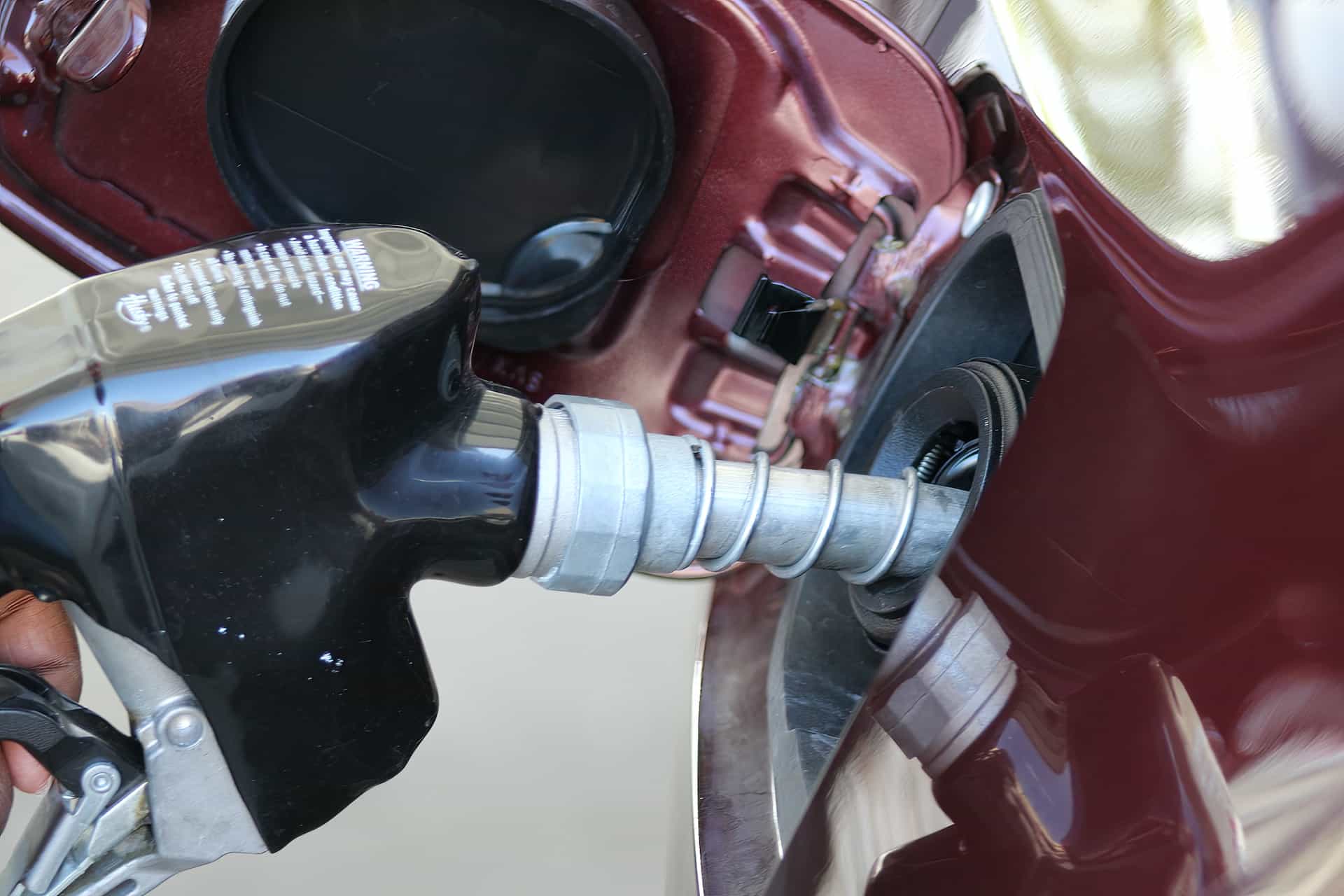
Fuel cards: a convenient and efficient way to manage fuel costs
Fuel cards have become a popular solution for businesses and professionals who manage a fleet of vehicles or have high fuel bills. These cards offer many advantages, allowing for more accurate control of costs, simplifying transaction management and providing detailed data on fuel consumption. In this article, we'll explore fuel cards and their benefits, discuss the different types of cards available on the market, and provide advice on how to choose the best option for your needs.
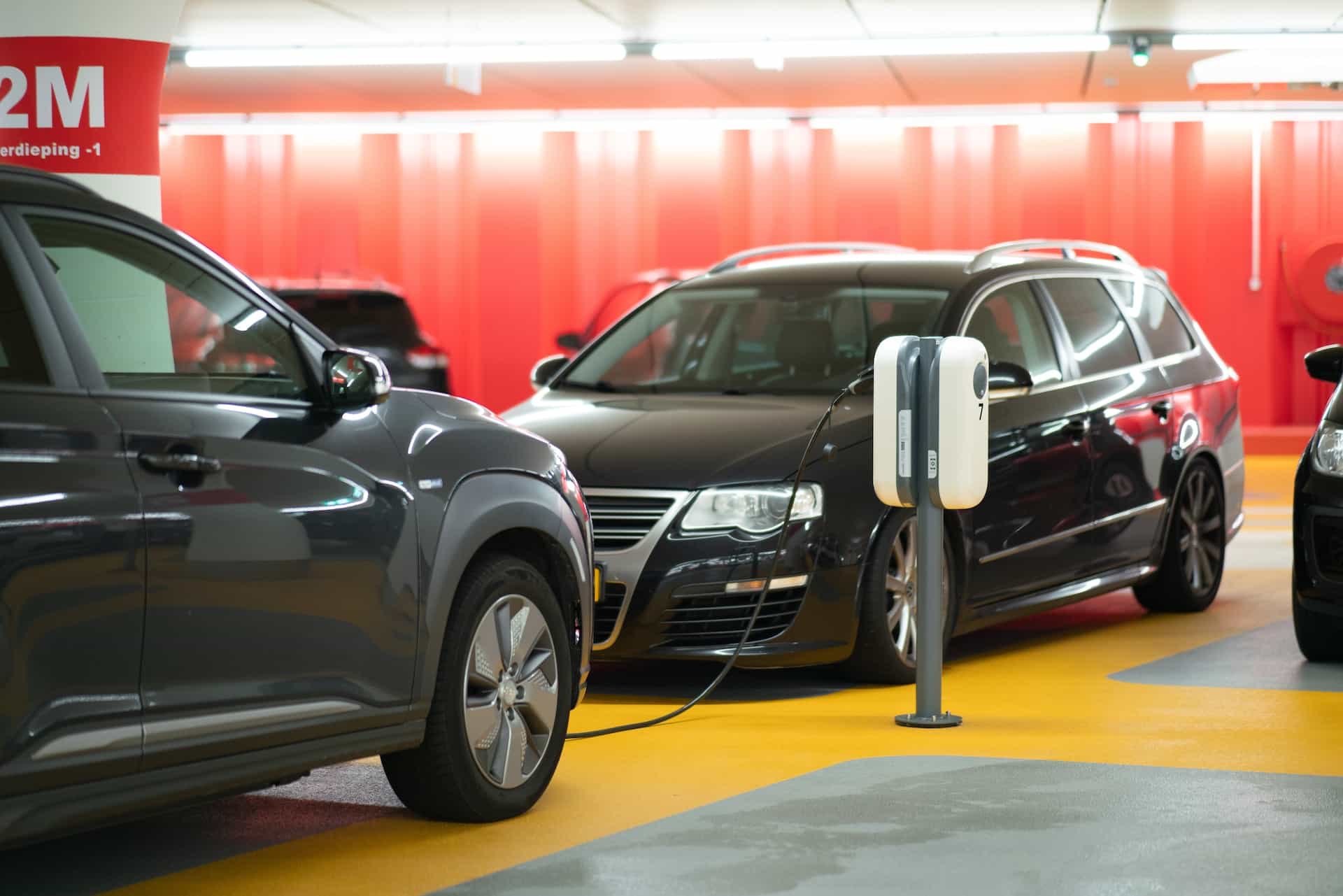
The future of the automobile: discovering hybrid cars
In recent years, the automotive industry has made major advances in the field of hybrid cars. This innovative technology represents a promising solution for reducing harmful emissions and improving vehicle efficiency. In this article, we'll explore how hybrid cars work, their benefits, and why they're becoming increasingly popular with environmentally conscious consumers.